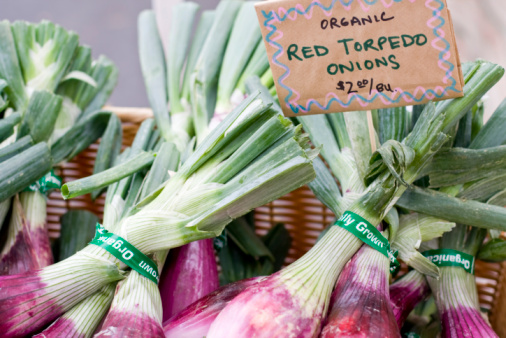
Shopping at your local farmers market is a great way to support farmers and food practices you believe in — and often pay less for fresher, tastier produce and meat. But all of those little labels poking out of crates of corn and stuck on egg cartons can be confusing or even misleading. Use this glossary for your next shopping trip, and be sure to ask the farmers at the stand if you have any questions about their methods.
Animal Welfare Approved: Available only to family farms, this certification requires that animals be hormone-free and given continuous access to the outdoors. Cattle must be at least 70% grass-fed, and chickens must be cage-free.
Cage-Free: Chickens with this label do not live in cages and have enough space to walk and spread their wings, but don’t generally have access to the outdoors. They may still be put through processes like beak cutting, which is done so chickens in tight quarters don’t violently peck at each other.
Certified Organic: Products deemed “organic” have been given the label by a certification body of the U.S. Department of Agriculture. To get it, farms must provide a production plan that the USDA inspects for sustainability. Meat labeled organic comes from animals that were given organic food and access to the outdoors, and organic produce is farmed without synthetic pesticides or chemicals.
Certified Naturally Grown: Some smaller farms choose not to go through the process of becoming certified organic because it can be expensive, opting instead for this label, which has similar guidelines to the USDA organic label. The certification is offered by a grassroots organization formed to help small farms.
Conventional: A farm with this label doesn’t have any special certifications but may have introduced some sustainable practices. Ask the farmer.
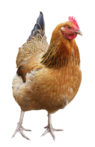
Free-Range: This term is regulated by the USDA and means that the farmer must prove that poultry have access to the outdoors, though for an unregulated amount of time. The term does not regulate eggs.
Grass-Fed: To get this label, the majority of an animal’s feed must be from grass or forage. In addition to giving meat a different taste, a “grass-fed” label means that the farm did not have to ship in soy or corn feed, reducing the farm’s carbon footprint. However, the label does not mean that the animals were given the chance to graze outside.
Heirloom and Heritage: These labels, often seen on foods like multicolored tomatoes and twisty squash, refer to varieties of plants and animals that have been passed through the generations to preserve unique colors, textures and tastes. These lines are not mass-produced because they tend to me more delicate.
Locally Grown: Refers to products that come from the surrounding area. There is not a standard for how far away “local” food comes from.
Natural: This refers to a product containing no artificial ingredients or added color that’s only minimally processed, according to the USDA. This claim doesn’t need to be certified, however, and only applies to meat and poultry.